

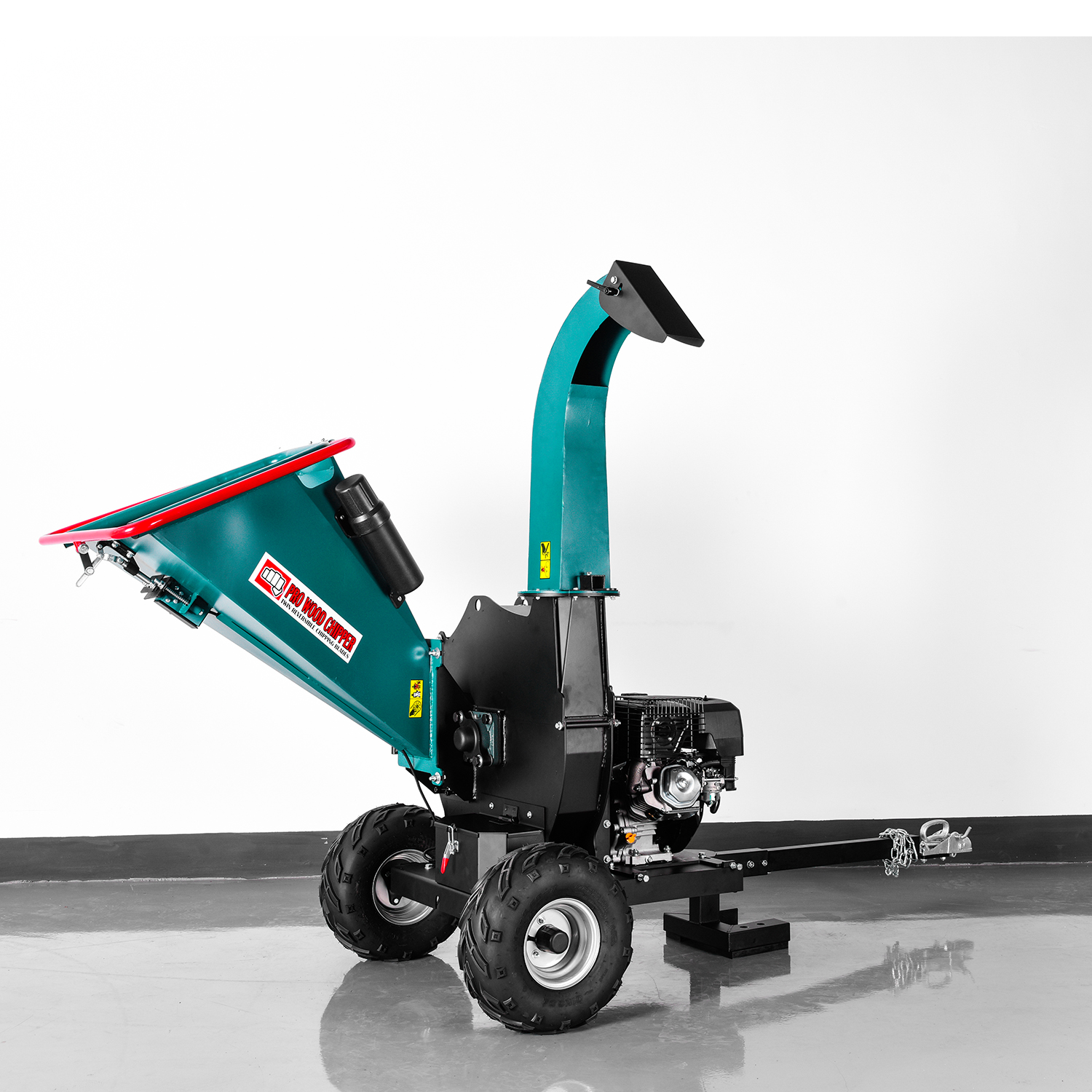
Figuring out which wood chipper to buy can feel overwhelming when you're staring at dozens of models with different engine sizes, feed capacities, and price tags. Whether you're a homeowner tackling seasonal yard cleanup or a professional landscaper dealing with heavy brush daily, finding the right chipper is all about matching the machine to your workload.
A lightweight electric wood chipper might be the perfect fit for suburban yards with moderate debris, while a gas-powered unit with a larger chipping diameter makes more sense for rural properties and commercial use. PTO-driven chippers connect directly to tractors and are built for the heaviest tasks — think large-scale land clearing and agricultural maintenance.
This guide walks you through every factor worth considering — power sources, engine displacement, feed throat dimensions, portability, safety features, and real-world cost comparisons — so you can make a confident, well-informed decision.
Diesel Wood Chippers
Diesel-powered wood chippers are workhorses designed for intense, continuous use. You'll commonly find them on commercial tree service rigs, municipal maintenance fleets, and large agricultural operations. Their key advantage is raw torque — diesel engines deliver sustained power at lower RPMs, which translates into the ability to grind through thick hardwood branches and dense material without straining the motor.
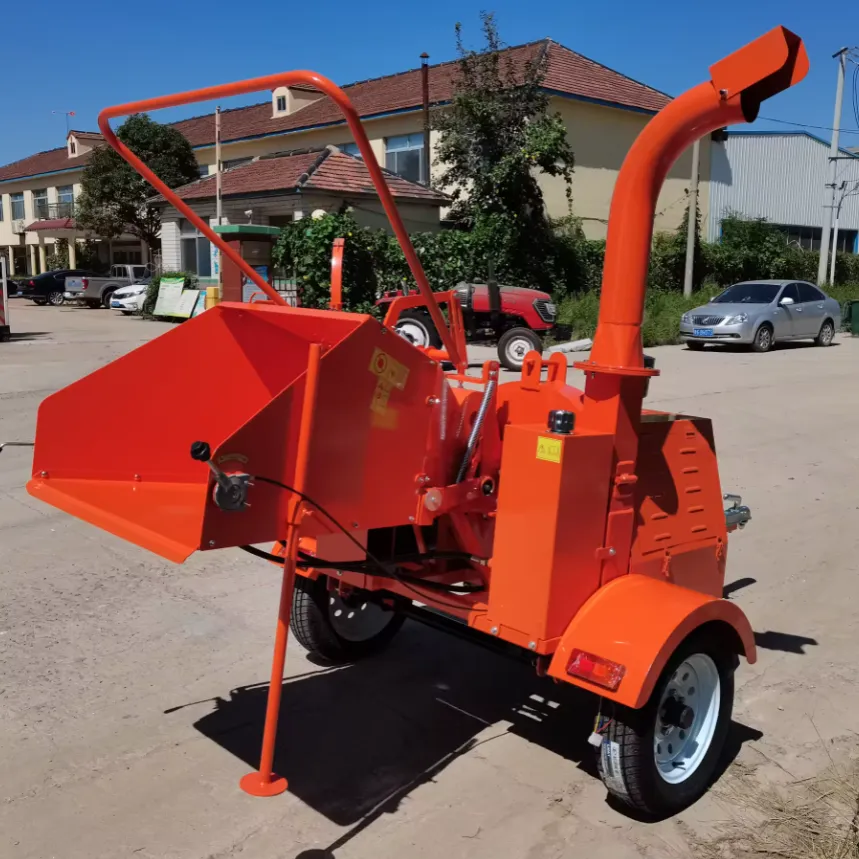
Diesel chippers differ from standard models in important ways. Many commercial-grade units feature hydraulic feed systems rather than gravity-fed hoppers, enabling smoother and more consistent processing of large volumes. They tend to handle branch diameters from 6 inches up to 20+ inches depending on the model. Some are trailer-mounted for highway transport, while others are designed as skid-mount or stationary units.
The tradeoff is cost and complexity. Diesel units carry higher upfront prices, require more specialized maintenance, and produce greater noise levels. They also need proper fuel handling and storage. But for operations that process wood debris daily, the longevity and fuel efficiency of diesel makes it the most economical choice over time.
Why Wood Chippers Are Gaining Popularity
In recent years, demand for wood chippers has grown steadily — and for good reason. Increasing environmental awareness has pushed homeowners and businesses toward sustainable waste management. Instead of hauling branches to the landfill or burning yard debris, a chipper converts that waste into usable mulch, compost material, or biomass fuel. It's a practical, eco-friendly approach to property maintenance.
The rise of PTO-equipped tractors on rural and hobby-farm properties has also contributed to higher adoption rates. Landowners who already own tractors can add a PTO chipper attachment at a relatively modest cost, turning an existing machine into a powerful brush-clearing system. Meanwhile, compact electric models have opened the door for suburban homeowners who previously had no practical way to process yard waste at home.
Add in the expanding availability of online retail channels and improved product education, and it's no surprise that wood chippers have moved from niche professional tools into mainstream backyard equipment. Storm damage cleanup, wildfire prevention through brush clearing, and general landscape maintenance all contribute to their growing appeal.
Types and Variants
Understanding the different categories of wood chippers is essential for picking the right machine. Here's a breakdown of the main types you'll encounter:
Electric Wood Chippers
Powered by standard electrical outlets, these are ideal for light to moderate yard tasks. Most handle branches up to 1.5–2 inches in diameter. They run quietly, produce zero emissions, and require minimal maintenance — perfect for residential neighborhoods.
Gas-Powered Wood Chippers
Fueled by gasoline engines, these are the go-to choice for medium to heavy-duty work. Expect chipping capacities of 2–4+ inches. They're fully portable, don't need an outlet, and work well for larger residential lots, hobby farms, and light commercial jobs.
PTO (Power Take-Off) Chippers
These attach directly to a tractor's PTO shaft and draw power from the tractor's engine. They're built for the heaviest workloads — large properties, farms, and commercial operations. PTO models handle the thickest material and run as long as the tractor does.
Manual & Small Yard Chippers
Compact and budget-friendly, these are designed for very small branches and garden trimmings. They're easy to store, simple to operate, and suited for homeowners with modest yard waste who don't need heavy processing power.
Key Features and Specifications to Evaluate
When comparing wood chippers side by side, these are the specifications and features that actually matter for real-world performance:
Check the rated maximum diameter the chipper can handle. Match this to the typical branch sizes on your property. Don't size too small — going slightly above your usual needs prevents jams and motor strain.
Higher horsepower and engine displacement translate directly to chipping performance. A 6–7 HP engine handles most residential work, while 10+ HP units are better suited for frequent or commercial-grade use.
Standard household voltage is 120V. Some commercial electric models run at 240V for higher sustained output. Make sure you have the correct outlet and extension cord specifications before purchasing.
Disc-style chippers use a spinning steel disc with mounted blades — they're fast and efficient. Drum-style units use a rotating drum and are better for processing mixed material. Both have their place depending on the debris type you handle most.
Gas and PTO chippers can weigh 150–500+ lbs. Factor in freight shipping costs and whether the unit includes wheels, a tow bar, or hitch mounting for on-site mobility.
Look for solid wheels, foldable handles, and towable designs. If you need to move the chipper around a large property or between job sites, maneuverability is a critical deciding factor.
A good chipper reduces material volume by 10:1 to 15:1. This means a large pile of branches becomes a compact, manageable amount of chips — a major benefit for composting and waste disposal.
Non-negotiable items include emergency shutoff switches, feed hopper guards, anti-kickback mechanisms, and locking mechanisms to prevent unauthorized use. Never skip on safety — these machines demand respect.
Pros and Cons of Owning a Wood Chipper
Advantages
Reduces yard waste volume by up to 90%, minimizing disposal costs
Produces free, high-quality mulch and compost material for your garden
Eliminates repeated trips to the dump or burning yard debris
Handles storm cleanup and seasonal pruning efficiently
Environmentally responsible alternative to hauling and landfill disposal
Disadvantages
Initial investment ranges from a few hundred to several thousand dollars
Gas and diesel units produce significant noise — ear protection is essential
Requires regular blade sharpening, oil changes, and engine maintenance
Larger units need dedicated storage space and aren't easy to move without a vehicle
Potential safety hazards if operated carelessly or without proper protective gear
When It Makes Sense
If you frequently prune trees, deal with storm debris, clear brush from fencing lines, or want to turn yard waste into usable mulch, a wood chipper pays for itself quickly. Homeowners on lots larger than a quarter acre and anyone managing rural or semi-rural land will get regular use from even a mid-range model.
When to Reconsider
If your yard only produces a small bag of twigs per season, renting a chipper once or twice a year might be smarter than buying one. Compact urban lots with minimal tree coverage often don't generate enough material to justify the investment.
How to Choose a Wood Chipper: Step-by-Step Guide
Follow this structured approach to find the right chipper for your specific situation:
Look at the type and volume of debris you deal with regularly. Is it small twigs from seasonal cleanup, or thick branches from mature hardwood trees? Your answer points directly to the power class you need.
Decide between electric, gas, or PTO based on where and how you'll operate the chipper. Electric for suburban convenience, gas for portability and power, PTO for heavy tractor-based operations.
Make sure the chipping capacity exceeds the largest branches you plan to process regularly. Buying a chipper that maxes out at 2" when you routinely deal with 3" limbs leads to frustration and early wear.
Prioritize units with emergency stop controls, no-stress feed systems, OSHA-relevant guarding, and solid steel construction. A chipper built to last is always worth a moderate premium over bargain alternatives.
Measure your storage space and think about how you'll move the machine. If it needs to travel between locations, look for towable designs with proper hitch hardware and road-rated tires.
Look for at least a 1-year warranty and accessible manufacturer support. Check whether replacement blades, belts, and other wear parts are readily available — long-term part availability matters as much as the initial build quality.
Price & Market Insights
Wood chipper pricing varies widely depending on power source, capacity, and build quality. Here's a general overview of what to expect across different categories:
| Model Type | Avg. Price | Max Branch Size | Best For |
|---|---|---|---|
| Electric | $100 – $400 | 1.5" – 2" | Small yards, light trimming |
| Gas (Residential) | $400 – $1,500 | 2" – 4" | Large lots, hobby farms |
| Gas (Commercial) | $1,500 – $5,000+ | 4" – 8" | Landscapers, tree services |
| PTO | $2,000 – $10,000+ | 6" – 20+" | Farms, rural land clearing |
| Diesel (Industrial) | $5,000 – $50,000+ | 10" – 24+" | Municipal, commercial fleets |
*Prices reflect typical US market ranges and may vary by brand, retailer, and seasonal promotions.
Top Seller & Competitive Analysis
Among residential gas-powered chippers, models in the 6–8 HP range with 3-inch chipping capacity consistently lead sales across major online retailers. The BILT HARD 7.5 HP model is a standout in this segment — it hits the sweet spot of performance, affordability, and practical design that most homeowners are looking for.
Comparable models from brands like GreatCircleUSA and WEN also perform well in the mid-range gas category. However, the BILT HARD unit tends to edge ahead on value — offering a solid 224cc engine, 3-inch feed capacity, and reliable build quality at a competitive price point. It's particularly well-suited for homeowners who need more power than an electric can deliver without jumping to a commercial-grade machine.
When comparison shopping, pay close attention to actual user reviews rather than promotional claims. Look for consistent feedback on engine reliability, chipping quality, ease of assembly, and long-term durability. A few extra dollars spent on a reputable model almost always saves money compared to replacing a cheap unit after one season.

Customer Feedback Synthesis
Analyzing customer reviews across the most popular wood chipper models reveals clear patterns in what buyers appreciate and what causes frustration:
What Customers Love
Strong chipping performance that matches or exceeds advertised specs
Manageable assembly process with clear instructions
Noticeable reduction in time spent on yard cleanup
Recurring Complaints
Struggles with wet or sap-heavy branches causing jams
Noise levels higher than expected, especially on gas models
Blades requiring frequent sharpening with heavy use
Key Takeaway
Customers consistently emphasize the importance of proper feeding technique, avoiding wet material, and maintaining sharp blades. Those who follow manufacturer guidelines report significantly better long-term performance and fewer maintenance headaches.
Sourcing & Supplier Tips
Wood chippers are available through home improvement retailers, specialty outdoor power equipment dealers, and online marketplaces. Each channel offers different advantages — brick-and-mortar stores let you see the machine in person, while online retailers often provide better pricing and wider selection.
When buying online, verify that the seller provides a genuine manufacturer warranty and has a responsive customer service team. Read the fine print on shipping, as wood chippers often ship via freight and may involve liftgate delivery fees. A reputable seller should be upfront about total delivered cost.
If considering a used or refurbished chipper, inspect blade condition closely, check for cracks in the feed chute and housing, and verify the engine starts cleanly without excessive smoke or noise. A bargain chipper with worn internals will cost more in repairs than it saved on the purchase price.
Maintenance, Safety & Legal Considerations
Routine Maintenance
Keeping your chipper in peak condition requires consistent attention to a few key areas. Sharpen or replace blades after every 20–30 hours of use, or sooner if you notice a drop in chipping efficiency. Check and change the engine oil per the manufacturer's schedule — typically after the first 5 hours and every 25–50 hours after that.
Inspect the air filter before every use, clean or replace the spark plug annually, and ensure all bolts and fasteners remain tight. Lubricate moving parts as specified. Clear any accumulated debris from the feed chute and discharge area after each session to prevent buildup that can cause jams or reduce airflow.
Safety Practices
Always wear safety glasses, hearing protection, heavy-duty gloves, and close-toed boots when operating a wood chipper. Never reach into the feed hopper while the machine is running, and keep loose clothing, jewelry, and long hair secured. Operate the chipper on level ground, ensure the discharge chute is pointed away from people and structures, and never let children or untrained individuals near the machine. Familiarize yourself with the emergency shutoff before starting.
Local Regulations
Some municipalities have noise ordinances that restrict when gas-powered equipment can operate — typically limiting use to daytime hours on weekdays and later start times on weekends. Check your local regulations before purchasing, particularly if you're in a residential neighborhood with an HOA. PTO and diesel units used in commercial settings may require additional permits or OSHA compliance depending on your jurisdiction.
Conclusion
Selecting the right wood chipper comes down to matching the machine to your real-world needs — property size, branch diameter, frequency of use, and budget. For most homeowners with medium-sized yards and moderate brush volume, a gas-powered chipper in the 6–8 HP range offers the best combination of performance, portability, and value.
Don't overspec if you don't need to, but don't cheap out on a machine that won't handle your typical workload either. Read reviews carefully, verify warranty coverage, and buy from a seller that stands behind its products with responsive customer support.
A well-chosen wood chipper is a long-term investment that simplifies property maintenance, reduces waste, and turns branches into valuable mulch. Take the time to choose wisely, and it will pay dividends for years to come.
FAQs
Can I chip wet branches?
You can, but it's not recommended. Wet or green wood is heavier, stickier, and more likely to jam the feed mechanism. For best results, let cut branches dry for a few days before chipping them. Your blades will last longer, and the output will be cleaner.
Do I really need a gas-powered model?
It depends on your yard. If you're primarily dealing with thin branches under 1.5 inches and have a small lot near an outlet, an electric model works fine. Once you start processing branches over 2 inches regularly or need to move the chipper away from power sources, gas is the way to go.
How often do chipper blades need sharpening?
Plan on sharpening after every 20–30 hours of operation under normal conditions. If you chip a lot of hardwood or dirty branches with soil attached, expect to sharpen more frequently. Dull blades tear rather than cut, producing poor-quality chips and straining the engine.
Are electric wood chippers powerful enough for thick branches?
Most electric chippers max out at 1.5 to 2 inches. They're perfectly adequate for garden trimmings, thin branches, and light yard debris. For anything thicker, you'll want a gas model with at least 5–7 HP and a 3-inch feed capacity.
What's the difference between a chipper and a shredder?
A chipper uses sharp blades to cut branches into small chips. A shredder uses flails or hammers to break down softer material like leaves and thin twigs. Many residential models combine both functions into a single unit, giving you the flexibility to handle a wider range of yard waste.
Do I need a license or permit to operate a wood chipper?
For residential homeowner use, no license is typically required. However, commercial operators may need business permits, and some localities have noise restrictions on gas-powered equipment. Always check your local municipality's regulations and any HOA rules that may apply.