

Table of Contents
- ▶ Acoustic Guitar Body Types
- Classical • Flat Top • Parlor • Dreadnought
- Auditorium & Jumbo • Archtop • Resonator
- ▶ Acoustic-Electric Guitar Body Types
- ▶ Electric Guitar Body Types
- Solid Body • Semi-Hollow & Hollow Body
- ▶ Conclusion
There is no single "correct" guitar body shape. What matters most is finding one that matches your playing style, physical comfort, and the sound you are going after. That said, one thing that should never be compromised is the quality of the build itself — steer clear of cheap materials no matter how tempting the price tag might be. Yes, that applies to beginners too. In this guide, we will walk through the most common acoustic and electric guitar body styles you are likely to come across so you can make a smarter choice.
Acoustic guitars rely on a hollow chamber to amplify the vibrations produced by the strings. The bigger the internal space, the deeper and richer the potential tone — think of the difference between the high pitch of a violin and the warm depth of a cello. The body shape, bridge, and saddle all work together to shape the final sound you hear.
When choosing an acoustic guitar, focus on a body style that complements the genre you play and feels comfortable for your frame. Below are the major acoustic body categories you should know about.
Classical
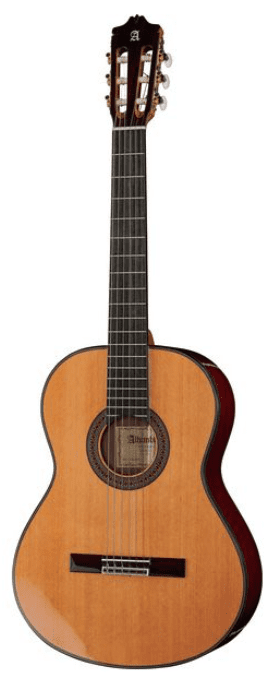
Classical guitars feature a moderately sized body, a wide flat neck, and nylon strings. Putting steel strings on a classical guitar will damage it, so stick to nylon. These instruments are typically played while seated and picked with the fingers rather than a plectrum. They are not known for powerful volume projection, but that is perfectly fine because classical music is not about sheer loudness. If you are drawn to fingerpicking and softer tonal textures, this body style is an excellent starting point.
Flat Top
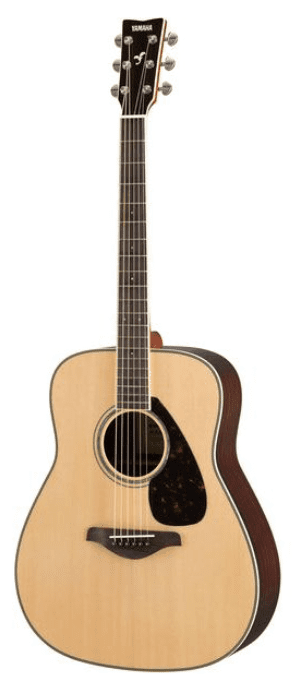
The flat top is the most widespread acoustic guitar shape and was popularized by the legendary Martin dreadnought design. These guitars carry steel strings, steel-reinforced necks, and — as the name tells you — flat soundboards. They deliver the bright, forward projection that works so well across pop, rock, country, and folk. Flat tops come in a huge range of sub-shapes and sizes, including larger 12-string variants that produce a natural chorus shimmer. Some players even lay them on their laps and play them slide-style. If you could only own one acoustic shape, a flat top would be the safest all-rounder.
Parlor

Parlor guitars are compact instruments — often shorter than classicals — making them a popular choice for children, smaller players, and anyone who values portability. But do not let the size fool you. Bluegrass and folk musicians have long appreciated parlor guitars for their focused midrange tone and intimate character. They are easy to carry, comfortable to hold for long sessions, and produce a sweet, distinctive voice that punches above its weight in recording situations.
Dreadnought
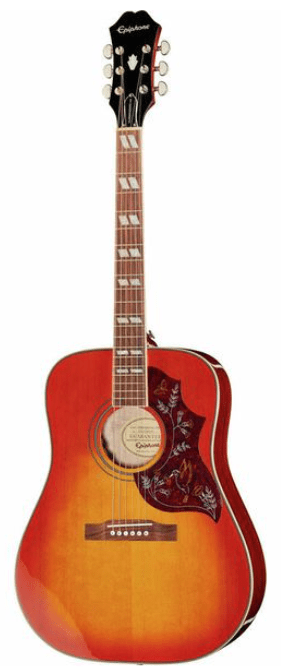
The dreadnought earned its name because it was considered enormous compared to other guitars of its era. This body style quickly became the gold standard for steel-string acoustics. Its large, broad shape generates impressive volume with rich bass response, making it the go-to for singer-songwriters and strummers who want their guitar to fill a room. If you need a single acoustic that can handle everything from campfire sing-alongs to stage performances, the dreadnought is hard to beat.
Auditorium & Jumbo
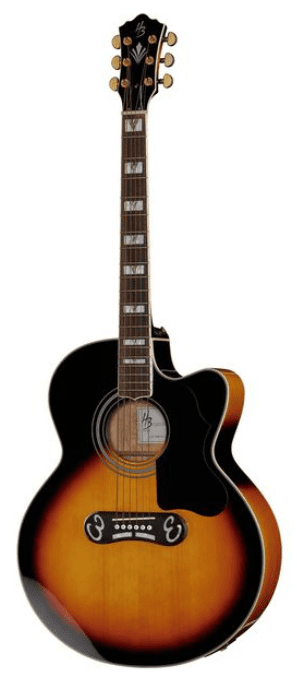
When a dreadnought-shaped guitar features a more defined waist — two tighter inward curves — it is referred to as an auditorium. This thinned-out midsection gives the sound a more balanced, less boomy quality that fingerpickers and studio recordists love. The jumbo and super jumbo, on the other hand, go even bigger than the dreadnought. These oversized instruments deliver deep, thunderous projection and serious stage presence, provided you have the frame to hold one comfortably. Jumbos are the go-to for players who want maximum volume without plugging in.
Archtop
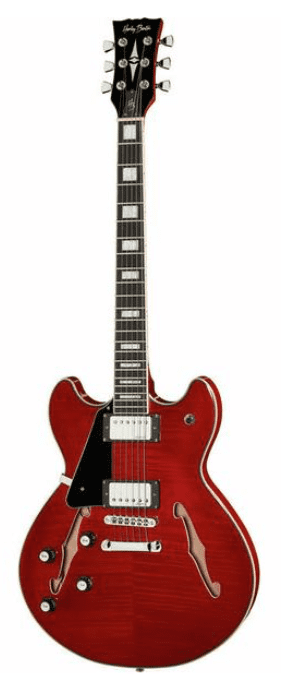
Archtop guitars look a lot like flat tops at first glance, but the soundboard is curved rather than flat. This requires more craftsmanship, which usually drives the price up. The arched design gives these instruments a distinctly violin-like aesthetic and a warm, mellow tone that has made them iconic in both old-time country music and modern jazz. If smooth, rich articulation is what you are after, an archtop belongs on your radar.
Resonator
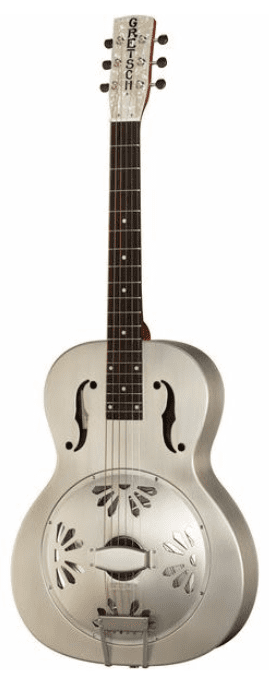
Resonator guitars stand apart from every other acoustic because they use one or more metal cones inside the body to amplify sound instead of relying solely on a wooden soundboard. This gives them a loud, metallic, twangy tone that cuts through ambient noise with ease. They were invented in the pre-amplification era specifically to be heard alongside louder instruments. Today they remain a staple of blues, bluegrass, and slide guitar playing and are an unforgettable visual centerpiece on any stage.
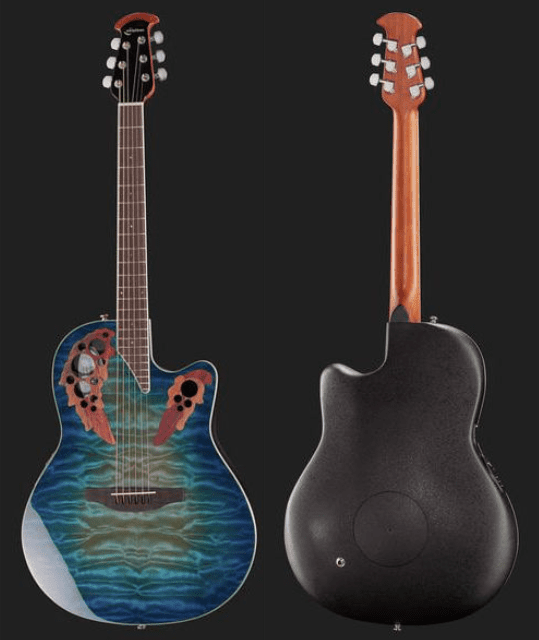
Acoustic-electric guitars take any of the body shapes described above and add built-in electronics — usually a pickup and a preamp — so you can plug directly into an amplifier or PA system. They look and feel like standard acoustics when played unplugged, but the moment you connect a cable, your sound can fill a large venue or run through effects pedals just like an electric guitar. This versatility makes them a top choice for gigging musicians who want acoustic tone with the convenience of amplification. Nearly every acoustic body style is available in an acoustic-electric version, so you do not have to sacrifice your preferred shape to get plugged-in capability.
Electric guitars take a fundamentally different approach to producing sound. Instead of relying on a resonating chamber, they use magnetic pickups to convert string vibrations into an electrical signal, which is then shaped by amplifiers and effects. The body still influences tone and sustain, but the decision-making process shifts more heavily toward pickup configuration, neck profile, and overall weight and balance.
Solid Body
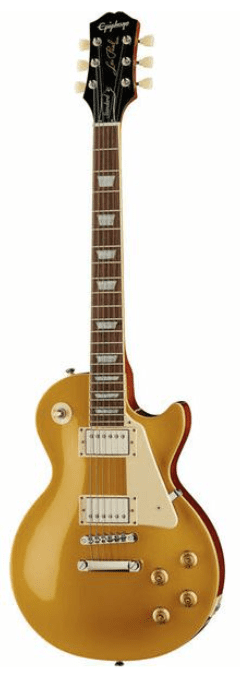
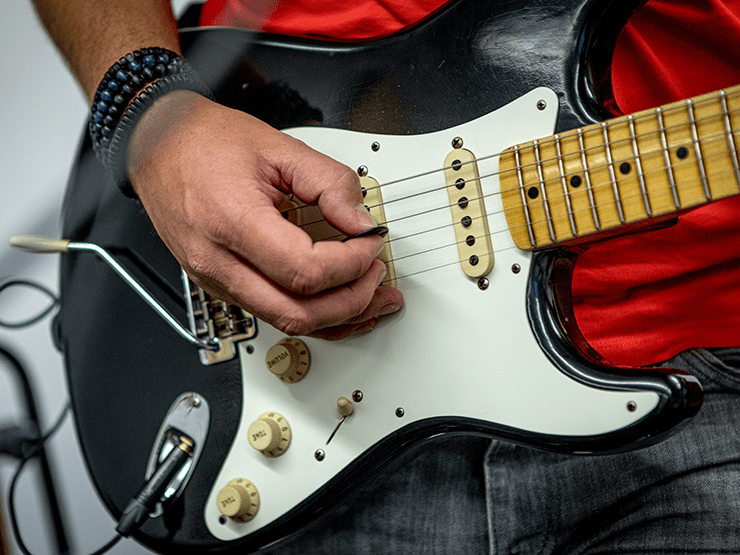
Solid-body electrics are the workhorses of modern music. Among the most famous is the original Les Paul produced by Gibson, along with later classics like the SG, Flying V, and Explorer. The fierce rivalry between Gibson and Leo Fender gave us equally legendary designs — the Stratocaster, Telecaster, and Jazzmaster. Today, brands like Ibanez, PRS, Schecter, and many others have added their own takes to the solid-body universe. Because these guitars lack a resonating chamber, the differences between body shapes are more about aesthetics, weight distribution, and access to higher frets than about raw tone. The neck profile on an electric often matters more than the body silhouette when it comes to playability.
Semi-Hollow & Hollow Body
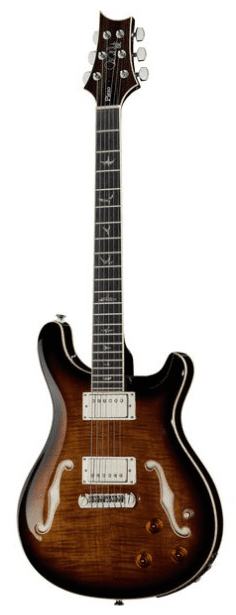
Semi-hollow guitars feature a solid center block flanked by hollow wings, which gives them a warm, resonant tone with less feedback than fully hollow instruments. Fully hollow electric guitars, on the other hand, rely entirely on their chambered body for that airy, woody character reminiscent of amplified archtops. Both styles are heavily favored in jazz, blues, and rockabilly where warmth and expressiveness are prized over raw power. If you play clean or lightly overdriven styles and want a guitar that breathes and responds to your touch, a semi-hollow or hollow body will serve you exceptionally well.
Conclusion
Every guitar body type exists for a reason. Whether you gravitate toward the powerful boom of a dreadnought, the compact charm of a parlor, or the amplified versatility of a solid-body electric, the right choice always comes down to your personal playing style, the genre you love, and how the instrument feels in your hands. Do not rush the decision — take the time to explore, play, and compare. When a guitar feels right, you will know it.
This article is intended for informational and educational purposes. Product availability and specifications may vary. Visit backyardprovider.com for the latest selection.