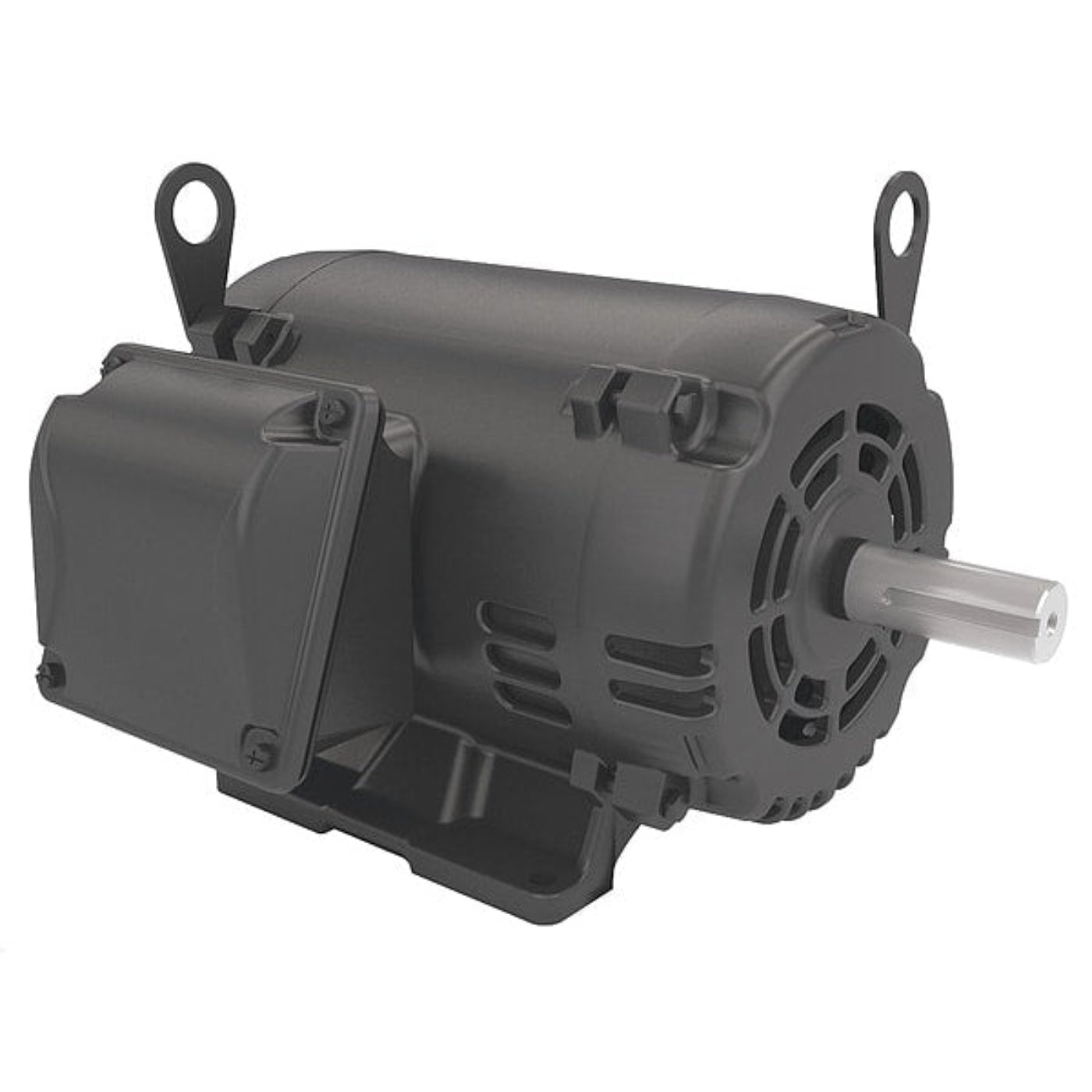
Ingersoll Rand Motor, 3-Phase, Ingersoll Rand - G5525643
Ingersoll Rand Motor, 3-Phase, Ingersoll Rand - G5525643
Couldn't load pickup availability

Ingersoll Rand Motor, 3-Phase, Ingersoll Rand - G5525643
Ingersoll Rand Motor, 3-Phase, Ingersoll Rand - G5525643
What Our Experts Think
-
This is the Ingersoll Rand three-phase motor (model G5525643) designed for compressor applications—specifically for reciprocating compressors in the 2475 series.
-
Engineered to meet OEM standards for high reliability and consistent duty in demanding industrial environments.
-
Compatible replacement for part numbers 20Y778 / 20Y779, and fits manufacturer part number 45465259.
-
Highlights include industrial frame design, compressor-duty rating, and compatibility with 3-phase systems typical in manufacturing or plant settings.
-
An excellent choice when replacing a worn or failed compressor main motor to restore optimum performance.
Q&A
Q: What does “3-phase” mean and why is it important?
A: It means the motor is designed to run on a three-phase electrical supply—common in industrial environments—giving smoother power delivery, better efficiency, and longer life than single-phase motors.
Q: Is this motor specific to a certain compressor model?
A: Yes, it is specified for the 2475 series reciprocating compressors from Ingersoll Rand, and it is matched to the compressor’s duty-cycle, frame, and shaft design.
Q: What should I check before installing this replacement motor?
A: Confirm your compressor’s model number, shaft size, mounting dimensions, voltage/phase, and replacement motor frame number to ensure a fit. Also verify that this motor’s specs match your original motor.
Maintenance Tips
-
Ensure correct voltage and phase wiring before power up—three-phase wiring must be correct to avoid damage.
-
Keep the motor’s ventilation clean, free of dust and debris, so it cools properly under load.
-
Ensure proper shaft alignment and secure coupling between the motor and compressor pump to avoid vibration and bearing wear.
-
Periodically check the motor’s bearings and insulation condition—unusual noise or overheating may indicate early failure.
-
Always record installation date and motor hours in your maintenance log—motor replacements should ideally be part of a planned service schedule.